Practical Guide to Maintaining a Clean Workspace
A clean workspace is essential not only for aesthetic appeal but also for productivity and employee well-being. This guide offers practical insights into maintaining a clean office environment, emphasizing sustainable practices and efficient cleaning protocols.
Understanding the Importance of a Clean Workspace
Research indicates that a clean workspace can significantly enhance employee productivity and satisfaction. According to a study conducted by the Global Hygiene Council, a tidy office can reduce stress levels and improve focus among employees. The principle behind this is simple: a well-organized environment minimizes distractions and fosters a positive mindset.

"A clean office is not just about looks; it's a vital element for improving employee morale and performance." - Industry Expert
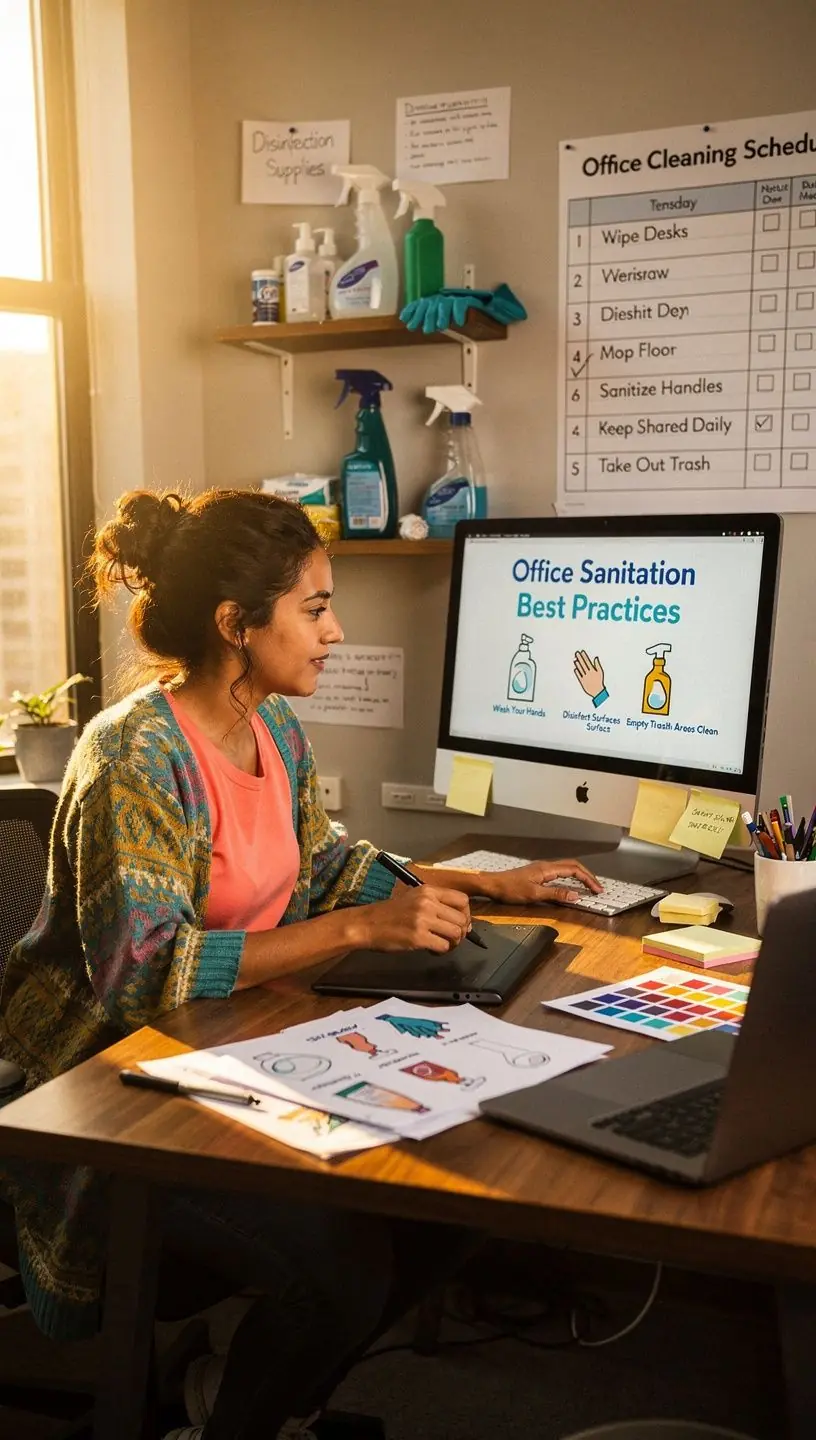
Establishing a Regular Cleaning Schedule
Many experts recommend creating a structured cleaning schedule that addresses various areas of the office. This schedule should include daily, weekly, and monthly tasks to ensure comprehensive sanitation.
Daily Tasks
- Wipe Down Surfaces: Use disinfectant wipes on desks, keyboards, and frequently touched surfaces to minimize germs.
- Organize Common Areas: Ensure shared spaces like break rooms and meeting rooms are tidy and clutter-free.
Weekly Tasks
- Deep Clean Floors: Vacuum carpets and mop hard floors to remove dirt and allergens.
- Sanitize Restrooms: Focus on high-touch areas like faucets, door handles, and toilet seats.
Monthly Tasks
- Declutter Workstations: Encourage employees to sort through papers and remove unnecessary items.
- Inspect Equipment: Check and clean office equipment such as printers and copiers to maintain functionality.
Implementing Sustainable Cleaning Practices
Many businesses are shifting towards eco-friendly cleaning products and practices. According to the U.S. Environmental Protection Agency, using green cleaning products can reduce negative impacts on health and the environment. Here are some sustainable practices:
- Use Non-Toxic Cleaners: Opt for biodegradable and non-toxic cleaning solutions that are safe for both employees and the environment.
- Reduce Waste: Implement a recycling program and encourage employees to use both sides of paper to minimize waste.
Engaging Employees in Cleanliness
Involving employees in maintaining cleanliness can enhance their sense of responsibility and ownership. Consider the following approaches:
- Create a Cleaning Committee: Form a group responsible for overseeing cleaning initiatives and suggesting improvements.
- Encourage Personal Responsibility: Share tips on personal workspace organization and hygiene practices.
Conclusion
Maintaining a clean workspace is a collective effort that requires planning and involvement from all employees. By establishing a regular cleaning schedule, implementing sustainable practices, and engaging staff in cleanliness efforts, businesses can create a healthier and more productive work environment. Remember that these practices not only enhance the workspace but also contribute to overall employee well-being.
Learn More

